
Lintel Failures and Fixes: Learning from Past Mistakes
11th April 2024 - By Danelle Vanstone
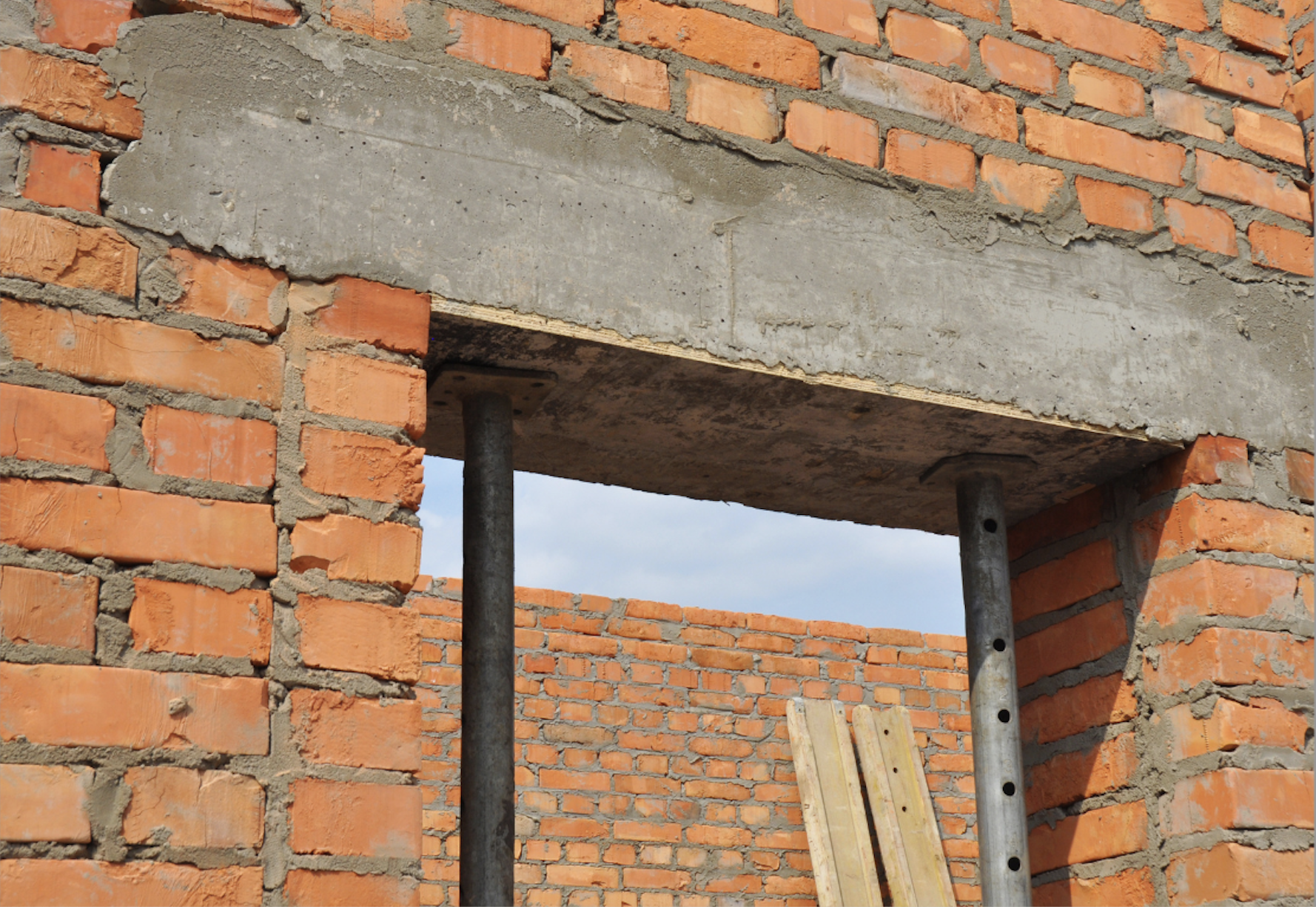
For installers, understanding the role of lintels is not just about compliance; it’s about upholding the structural integrity of the buildings being worked on. Let’s talk about some case studies that highlight the importance of the right lintel choice and the potential repercussions of improper installation.
Case Study – The Downfall of DIY:
An enthusiastic DIY’er decided to handle his window replacement. Ignoring the need for a lintel, he proceeded with the installation. Months later, the new window installed began to buckle, and cracks spread across the wall. The oversight led to a complete redo of the installation with the additional expense of structural reinforcement.
This case study illustrates a vital lesson – lintel installation is not a DIY job. It requires professional assessment and installation to prevent structural failures.
Another case study involves a professional installer who chose a lintel that was too weak for the wall’s load. The lintel bent under pressure, causing the wall above to sag dangerously. This mistake was a direct result of not consulting with a structural engineer or a lintel manufacturer to determine the proper specifications for the job.
Fixes and Preventative Measures:
These mistakes can be rectified and prevented by:
- Always perform a thorough survey before installation to ensure the right lintel is chosen.
- Consulting with experts when in doubt about the load-bearing requirements.
- Regularly updating knowledge on best practice and regulations regarding lintel installation.
The repercussions of improper lintel installation can be severe, leading to structural damage, dissatisfied customers, and financial loss. Use these case studies as a learning tool to reinforce the importance of proper lintel installation and ensure you deliver professional, compliance, and safe service every time.